If you asked child me what Easter was like, I would describe dye-stained fingers, construction-paper bunnies with lopsided ears, the thrill of finding a plastic egg full of (in retrospect, objectively terrible) candy, and singing Easter hymns in a chapel full of flowery dresses before running home to eat chocolate until my teeth hurt. While we compared baskets, my mother filled the whole house with the smell of baking rolls.
My first Easter outside of the United states looked and sounded different from those childhood memories, but smelled very similar. No matter the country or branch of Christianity, Easter often smells and tastes like bread. This year, we’re celebrating by exploring Easter breads from around the world.
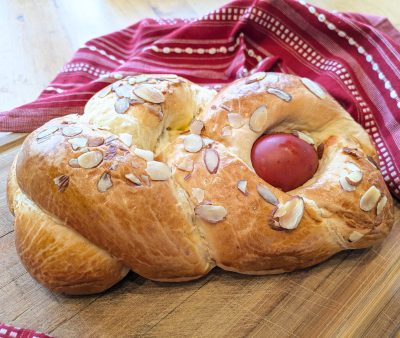
In Greece, Holy Week brings entire towns together for daily church services, centuries-old rituals, fasting, and then feasting. On Holy Thursday, in addition to dyeing the iconic red eggs, Greek families prepare and bake tsoureki, a sweet brioche bread.
Tsoureki is used to break the Lenten fast, when Orthodox faithful give up meat, dairy, fish, eggs, and wine. This sweet, brioche-like enriched bread is made with flour, milk, butter, eggs, sugar, and often citrus zest, cherry pit spice, and mastic resin. Some regions decorate the bread with nuts and sugar, and many bake red-dyed eggs into the dough to represent the blood of Christ. The bread rises around the eggs just as Christ rose from the tomb after His resurrection.
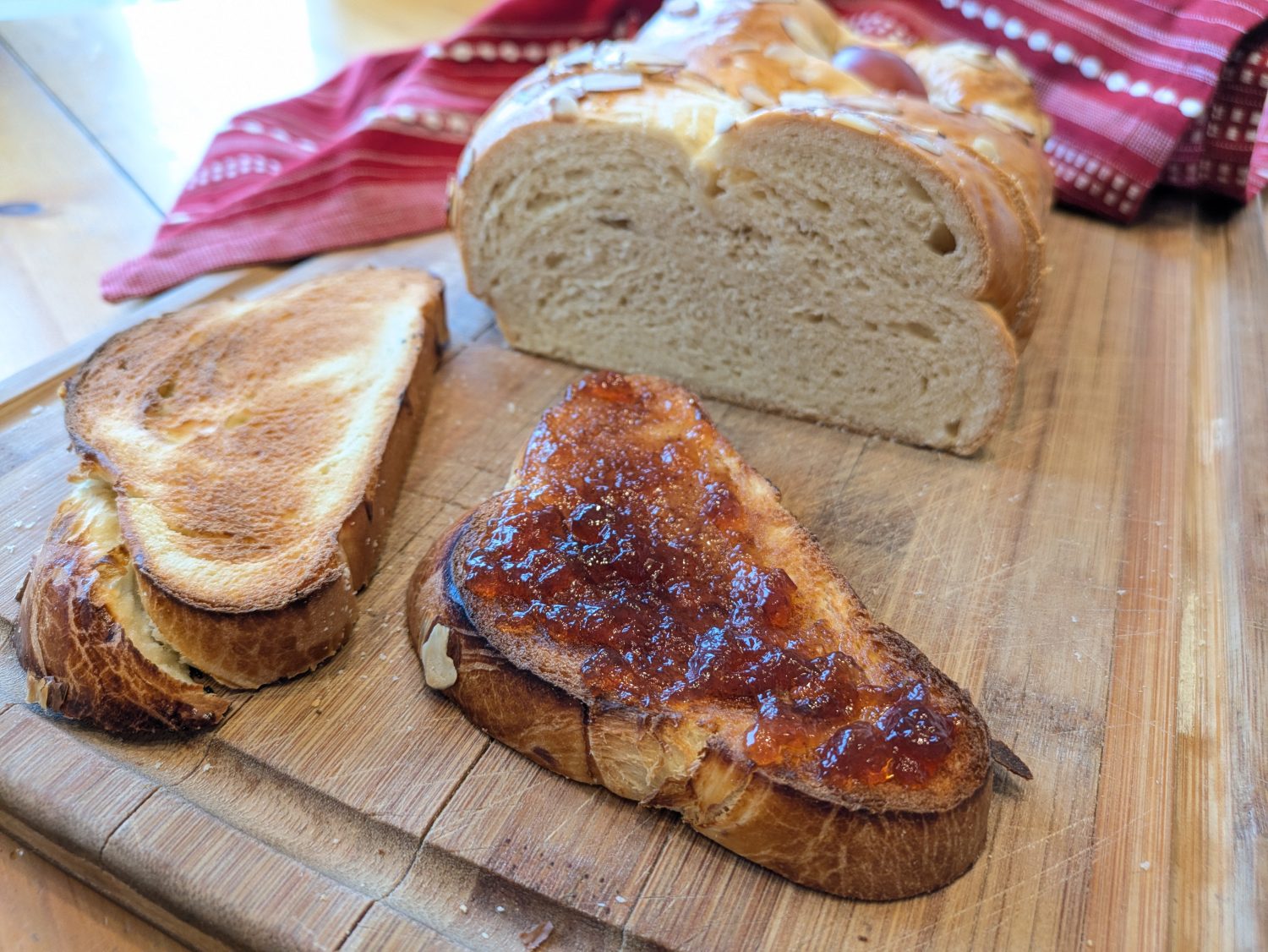
Tsoureki is part of a vibrant Easter feast that also includes whole-roasted lamb or goat and brings extended families together for eating and dancing. If you have any left, tsoureki is delicious with jam or made into French toast. There are plenty of tsoureki recipes available online, or if you realize baking several different kinds of Easter bread in one weekend is just not happening, you can order one. Χριστός Ανέστη!
 Mountain Man Living